Products - Polygonatum aka King Solomon's seal
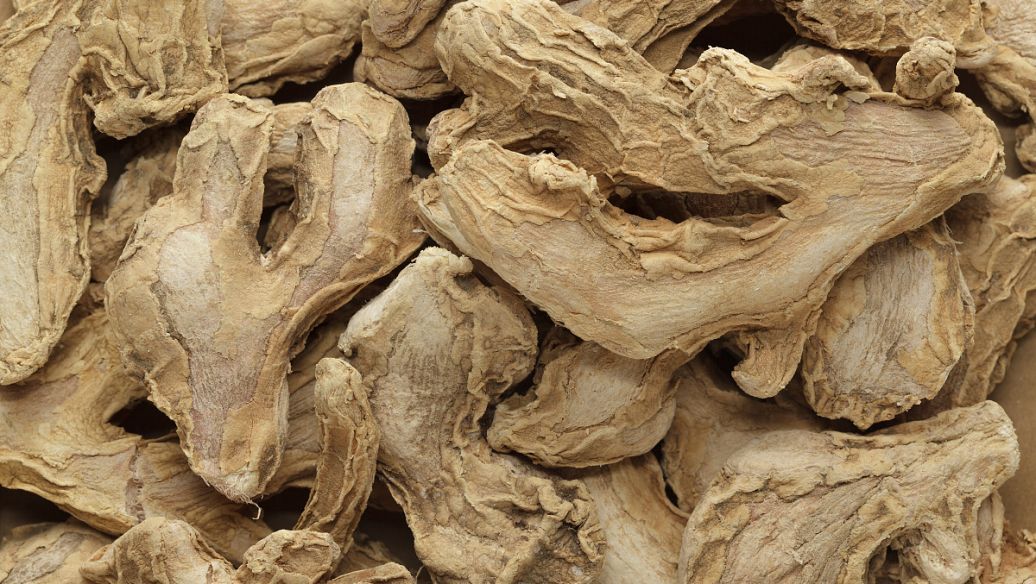
Polygonatum aka King Solomon's seal
If the most effective herb for replenishing kidney essence is Rehmannia (地黄), then the most effective medicial food for replenishing kidney essence is Polygonatum.
Medicines should not be taken regularly, but food can be eaten regularly. Therefore, Polygonatum is the best dietary therapy for nourishing the kidneys, without exception.
Polygonatum, also known as King Solomon's seal, sun grass, or chicken head ginseng, is the dried rhizome of the plants Polygonatum kingianum, Polygonatum odoratum, or Polygonatum multiflorum, all belonging to the Liliaceae family. Depending on their shape, they are commonly referred to as ‘large Polygonatum,’ ‘chicken head Polygonatum,’ or ‘ginger-shaped Polygonatum.’ Polygonatum was originally primarily used as a health food by Daoists, and as such, it is more commonly found in herbal medicine texts focused on dietary therapy rather than medicinal herbs.
Therefore, Polygonatum has been used as food since ancient times. It is said that Daoist practitioners in the past did not eat grains, so they used Polygonatum as a substitute, which is equivalent to meal replacement powder in today's terms.
Polygonatum prefers a cool, moist climate and thrives best in deep, fertile, loose soil that is slightly moist and partially shaded. This environment has a rich soil quality, and Polygonatum thus absorbs the essence of the soil. Yellow is the colour of earth, and essence is stored in the kidneys. The name Polygonatum emphasises that it absorbs and concentrates the essence of the soil.
Polygonatum has a sweet taste and neutral nature, with a rich flavour and light aroma. It enters the spleen, lung, and kidney meridians, nourishing the lung, spleen, and kidney, and is classified as a tonic that replenishes both qi and yin. In terms of meridian affinity and taste, it is very similar to yam. Polygonatum refers to its dried rhizome, which is used as both a medicinal and edible herb. The fleshy roots of Polygonatum begin to grow in the third year, with only one segment growing per year. Therefore, Polygonatum fully absorbs the essence of the soil.
In the eyes of ancient health practitioners, Polygonatum was considered an excellent remedy for longevity, with the saying that ‘long-term use leads to immortality.’ The great poet Du Fu wrote, ‘Sweep away your white hair with Polygonatum, and you will see your youthful appearance return in the years to come,’ demonstrating his great love for Polygonatum.
Firstly, from the name Polygonatum (黄精), we can see that it contains the character "jing" (精), which means essence, indicating that it can replenish the essence of the human body.
When Polygonatum is dug up from the ground, it is yellow in colour. After being steamed and dried, it turns black. Black is associated with the kidneys, so Polygonatum can be used to gently replenish kidney essence.
Polygonatum not only nourishes the kidneys, but also nourishes the spleen and stomach.
Polygonatum is sweet and delicious, and its sweetness nourishes the spleen and stomach, so it is also effective in tonifying the spleen and stomach. Among kidney-tonifying herbs, Polygonatum stands out because it provides comprehensive tonification.
Medicines that nourish the kidneys, such as rehmannia, are often quite greasy, and eating too much of them can easily upset the spleen and stomach. However, Polygonatum is different; even people with weak spleens and stomachs can still consume it.
In summary, Polygonatum is a health supplement that replenishes both qi and yin. It nourishes the essence and marrow, replenishes the five internal organs, and is most suitable for regular consumption by middle-aged and elderly people.
If experiencing any of the following symptoms: weak spleen and stomach leading to poor appetite, fatigue and weakness, dry mouth, kidney deficiency causing lower back pain, insufficient essence and blood, premature greying of hair, internal heat, and diabetes, then Polygonatum is highly recommended for health maintenance and regulation.
In addition, modern medicine has discovered that people with diabetes are also very suitable for eating Polygonatum.
Of course, there are also some people who are not suitable for eating Polygonatum.
For example, people with loose stools should not eat Polygonatum frequently, and people who are overly obese are also not very suitable.
In addition, Polygonatum is greasy and can easily promote dampness. Taking large amounts may cause dampness to accumulate in the body. Those with coughs and excessive phlegm, spleen deficiency with dampness, and cold diarrhoea should not take it.
Source - https://web.cmc.hebtv.com/cms/rmt0336/0/0rmhlm/mt/sh/jkg/11283843.shtml
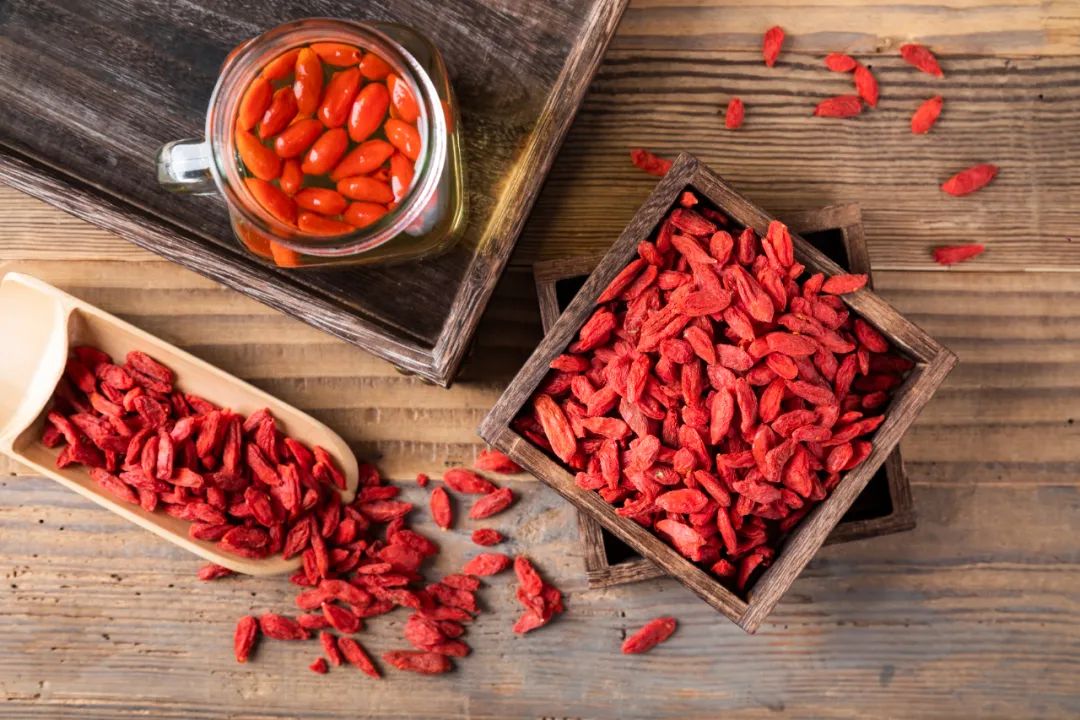
Zhongning Goji Berry
The Chinese people's obsession with ‘health preservation’ is probably unmatched by any other nation in the world. After all, the catchphrase ‘soak goji berries in a thermos’ has long been a reflection of the daily lives of many Chinese people. Those who are more particular about their health will even throw a few goji berries into their water cups all year round.
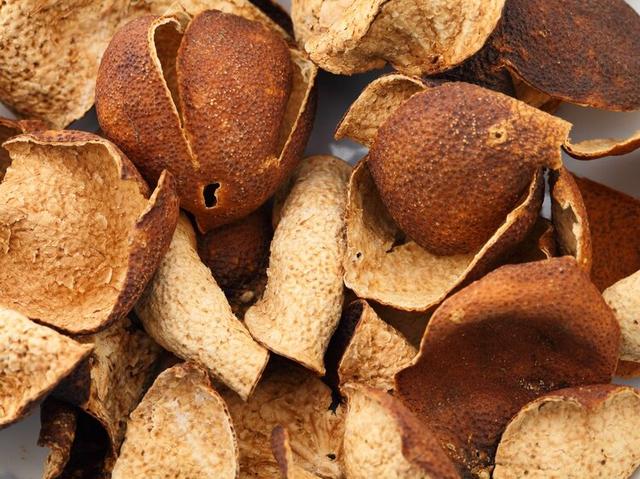
Chenpi
Chenpi, also known as dried citrus peel, is the dried mature peel of the tangerine plant and its cultivated varieties. It has a long history of medicinal use, first recorded in the Shen Nong Ben Cao Jing. Traditional medical practitioners have long held that if Chenpi is stored for too short a period, its harsh and drying properties remain, leading to significant adverse effects. However, after being stored for several years, its harsh and drying properties gradually diminish, becoming neither harsh nor drying, with a pure and rich aroma, making it more suitable for clinical treatment. The herb is classified into "Chenpi" and "Guang Chenpi".