Products - Chenpi
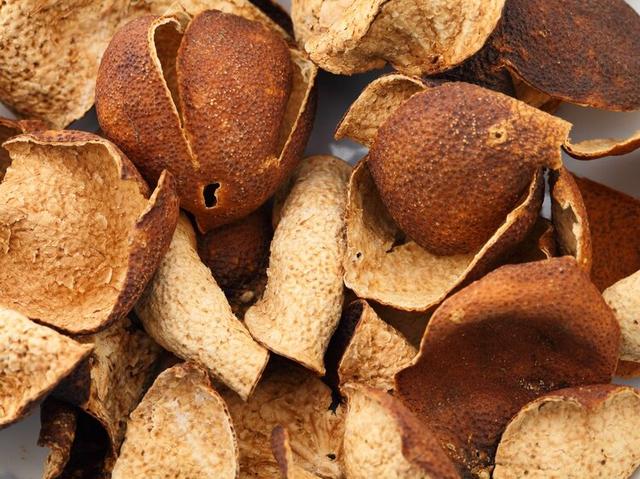
Chenpi
Chenpi, also known as dried citrus peel, is the dried mature peel of the tangerine plant and its cultivated varieties, belonging to the Rutaceae family. It has a long history of medicinal use, first recorded in the Shen Nong Ben Cao Jing. Traditional medical practitioners have long believed that if Chenpi is stored for too short a period, its harsh and drying properties remain, leading to significant adverse reactions. However, after being stored for several years, its harsh and drying properties gradually diminish, becoming neither harsh nor drying, with a pure and rich aroma, making it more suitable for clinical treatment. The herb is classified into "Chenpi" and "Guang Chenpi".
Traditional Chinese medicine considers Chenpi to have a pungent and bitter taste and a warm nature. It has the effects of regulating qi and strengthening the spleen, as well as regulating qi and drying dampness. Chenpi can treat a hundred diseases because of its ability to regulate qi and dry dampness. When used with tonic herbs, it tonifies deficiency; when used with purgative herbs, it purges excess; when used with ascending and dispersing herbs, it ascends and disperses; and when used with descending and sinking herbs, it descends and sinks. It is a commonly used herb with multiple therapeutic applications.
The bitter compounds in Chenpi are primarily represented by limonoids and bitter principles, collectively referred to as ‘limonoid-like compounds.’ These limonoid-like compounds have a mild taste, are easily soluble in water, and aid in digestion. When used in cooking, the bitterness of Chenpi harmonises with other flavours to create a unique taste. The volatile oils it contains have a mild stimulating effect on the gastrointestinal tract, promoting the secretion of digestive juices, expelling trapped gas from the intestines, strengthening the spleen and stomach, and increasing appetite.
Chenpi (including red tangerine and white tangerine) tea is suitable for people with spleen and stomach qi stagnation, abdominal distension, indigestion, poor appetite, and cough with excessive phlegm. It is also suitable for people who want to prevent high blood pressure, myocardial infarction, fatty liver, and acute mastitis.
Food incompatibilities of Chenpi: Chenpi should not be used in combination with Pinellia ternata (半夏) or Aconitum carmichaeli (南星); it should also not be used in combination with warm, aromatic, and drying herbs.
Source - https://zyj.beijing.gov.cn/ylfw/ysbj/201912/t20191223_1412717.html
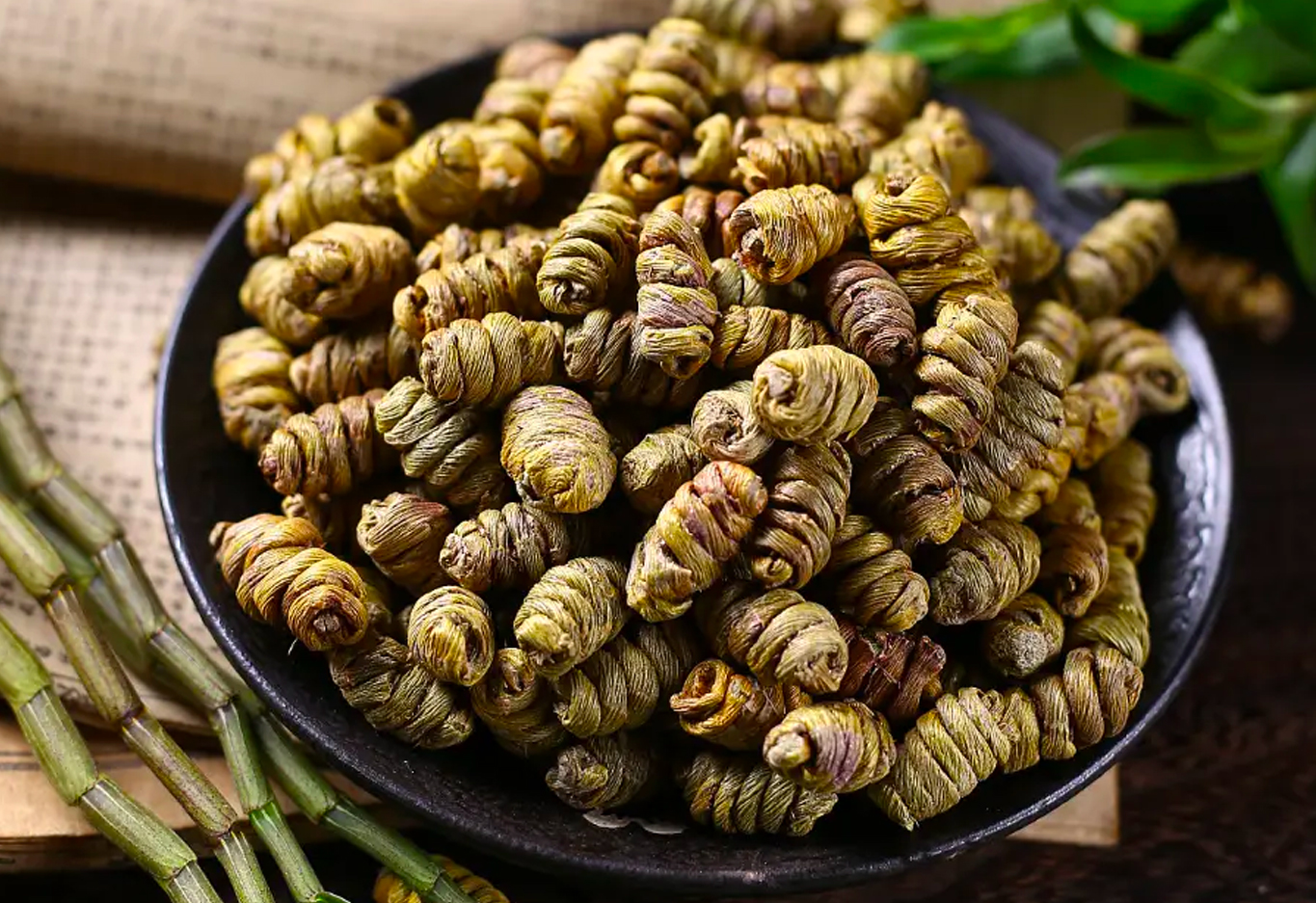
Dendrobium Officinale>
Dendrobium is also known as Linlan (林兰), Jinsheng (禁生), Dulan (杜兰), Xuanzhu (悬竹), and Qiannianzhu (千年竹). According to the 2010 edition of the Chinese Pharmacopoeia (中国药典), Dendrobium refers to the cultivated varieties of the orchid family plants Dendrobium chrysanthum, Dendrobium nobile, and Dendrobium moniliforme, as well as the fresh or dried stems of similar species within the same genus. There are approximately 1,000 species of Dendrobium plants, with over 70 species found in China. They are primarily distributed in the southwestern, central southern, and eastern regions of China. Although the number of species is significant, only a limited number are suitable for medicinal use.
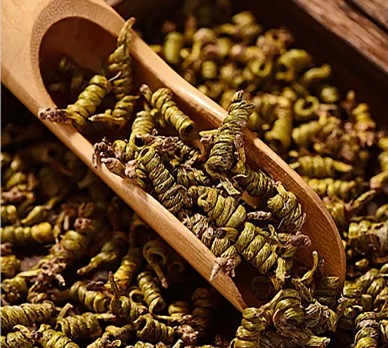
Dendrobium Huoshanense
Dendrobium Huoshanense (Dendrobium huoshanense C. Z. Tang et S. J. Cheng), commonly known as rice dendrobium, Huoshan rice dendrobium, or Huo Shan Shi Hu, is a perennial herbaceous plant belonging to the Dendrobium genus of the Orchidaceae family. It is mainly produced in Huoshan County, Anhui Province, in the Dabie Mountains.