Products - Dendrobium Officinale
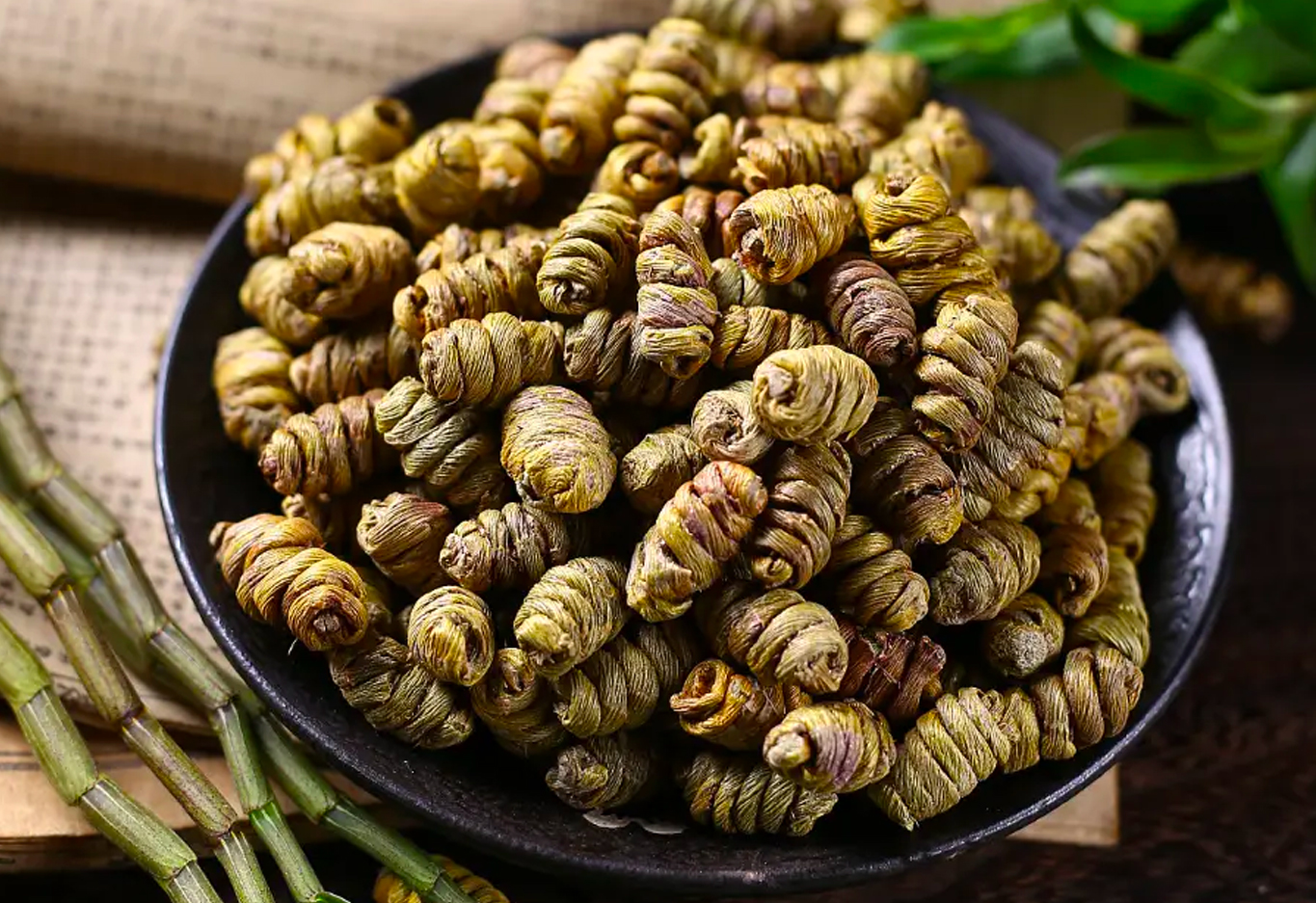
Dendrobium Officinale
Dendrobium is also known as Linlan (林兰), Jinsheng (禁生), Dulan (杜兰), Xuanzhu (悬竹), and Qiannianzhu (千年竹). According to the 2010 edition of the Chinese Pharmacopoeia (中国药典), Dendrobium refers to the cultivated varieties of the orchid family plants Dendrobium chrysanthum, Dendrobium nobile, and Dendrobium moniliforme, as well as the fresh or dried stems of similar species within the same genus. There are approximately 1,000 species of Dendrobium plants, with over 70 species found in China. They are primarily distributed in the southwestern, central southern, and eastern regions of China. Although the number of species is significant, only a limited number are suitable for medicinal use.
Dendrobium Officinale, also known as black-jointed grass, has been shown by modern medical research to contain amino acids, polysaccharides, and alkaloids that enhance immunity, inhibit blood clots, suppress tumours, and delay ageing. Due to its low natural reproduction rate, wild Dendrobium officinale was designated as a nationally protected rare and endangered plant of the third-class category in 1987. Currently, many regions in China have organised the cultivation of Dendrobium officinale seedlings using culture media, such as Ruili in Yunnan, Tiantai in Zhejiang, and Kunshan in Jiangsu, with some scale already established. Experimental data analysis indicates that the polysaccharide content of artificially cultivated Dendrobium officinale is similar to that of wild Dendrobium officinale, with consistent amino acid composition and content, and comparable levels of trace elements.
Fengdou are a processed product of the dendrobium. The traditional method of processing fengdou involves trimming and washing fresh dendrobium, drying it, then evenly roasting it in an iron pot until soft. While still hot, the thin membrane-like leaf sheaths are rubbed off, and the product is placed in a slightly ventilated area. After two days, it is placed in a lead-lined tray with fine holes, and gently heated with a low flame approximately one foot below the tray. It is then manually shaped into a spiral or spring-like form and dried. This process is repeated 2–3 times until completely dry. Fresh Dendrobium officinale cut into segments and dried or low-temperature dried is referred to as Dendrobium officinale and should not be called Fengdou.
Dendrobium Officinale is known as the ‘sacred medicine for nourishing yin.’ The "Shen Nong Ben Cao Jing" (神农本草经) describes it as sweet and slightly cold in nature, entering the stomach, lung, and kidney meridians. It has the effects of generating body fluids, nourishing the stomach, and clearing heat. It is primarily used to treat thirst, fluid depletion from heat diseases, yin deficiency-induced stomach pain, post-illness heatiness, and yin injury-induced blurred vision. According to the "Collecting Record of Differentiation of Symptoms and Signs" (辨证录), for treating stomach fire rising upward and mental restlessness, one can use the Dendrobium and Scrophularia Decoction (Dendrobium combined with Scrophularia, decocted and taken orally); according to the "Zhejiang Medicinal Plant Monograph" (浙江药用植物志), for treating post-illness heatiness and thirst, one can use a combination of Dendrobium, Ophiopogon, and Schisandra, decocted and taken as a tea. When using Dendrobium and Phyllanthus, it is essential to distinguish between medicinal and health-preserving uses, as their methods and dosages must be differentiated. In clinical settings, traditional Dendrobium is used in large doses.
Source - Author: Xiao Misong, Department of Pharmacy, Shanghai Sixth People's Hospital
This article was reviewed for scientific accuracy by Wang Tao, Chairman of the Medical and Health Subcommittee of the Shanghai Association of Science Writers.
http://health.people.com.cn/n1/2016/1123/c404177-28889518.html
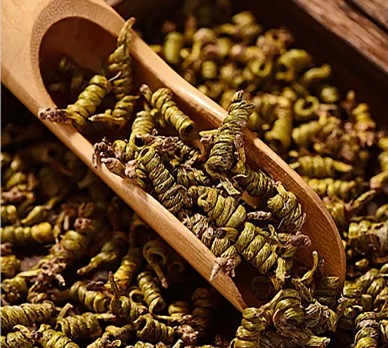
Dendrobium Huoshanense
Dendrobium Huoshanense (Dendrobium huoshanense C. Z. Tang et S. J. Cheng), commonly known as rice dendrobium, Huoshan rice dendrobium, or Huo Shan Shi Hu, is a perennial herbaceous plant belonging to the Dendrobium genus of the Orchidaceae family. It is mainly produced in Huoshan County, Anhui Province, in the Dabie Mountains.
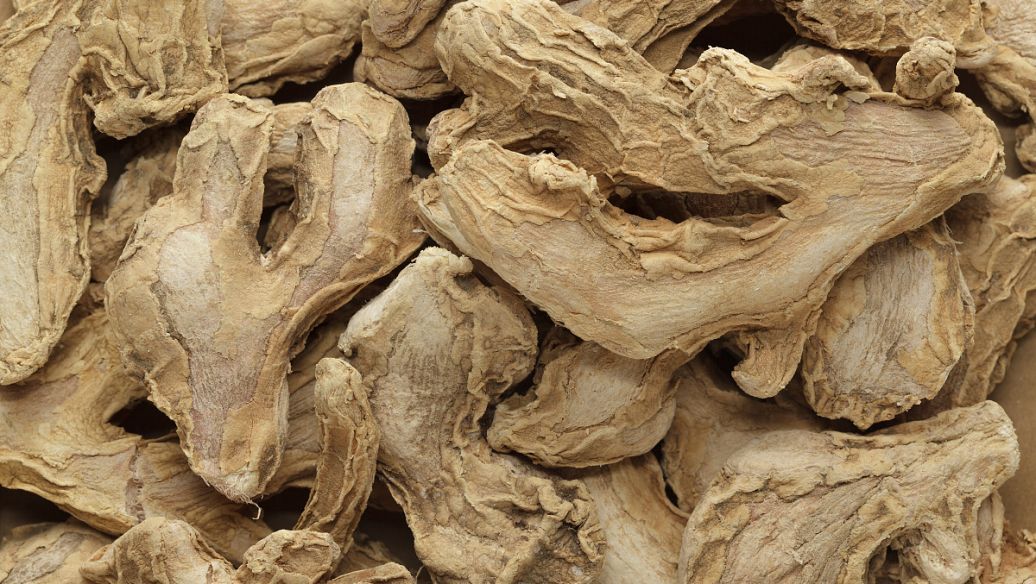
Polygonatum
Polygonatum, also known as Chinese Solomon's seal, sun grass, or chicken head ginseng, is the dried rhizome of the plants Polygonatum kingianum, Polygonatum odoratum, or Polygonatum multiflorum, all belonging to the Liliaceae family. Depending on their shape, they are commonly referred to as ‘large Polygonatum,’ ‘chicken head Polygonatum,’ or ‘ginger-shaped Polygonatum.’ Polygonatum was originally primarily used as a health food by Daoists, and as such, it is more commonly found in herbal medicine texts focused on dietary therapy rather than medicinal herbs.